Specification review
The review begins with range, tolerance, sample type, cleaning constraints, and the approval region. This prevents a balance, pipette, or sensor from being chosen only by model popularity.
Calibration, qualification, and service planning
Audit-ready evidence shipped alongside every instrument.
Plan service scope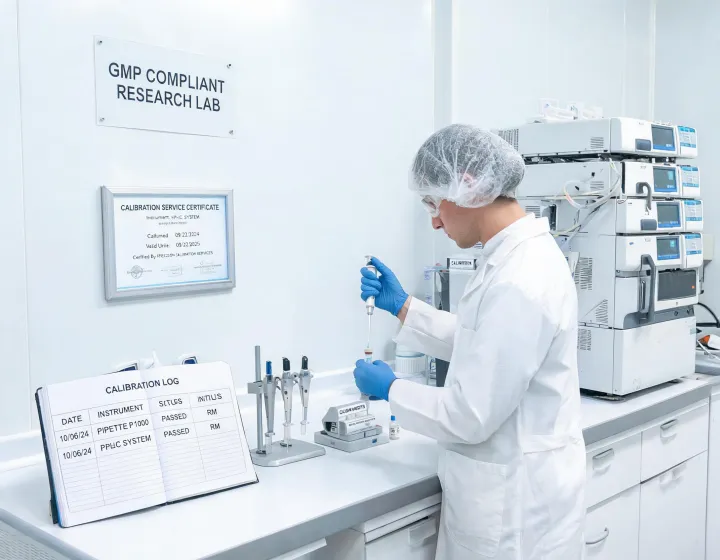
Horizontal service pillars
Sartorius service support is framed for teams that need instruments to arrive with a clear plan for installation, calibration, operator use, and future evidence retrieval.
The review begins with range, tolerance, sample type, cleaning constraints, and the approval region. This prevents a balance, pipette, or sensor from being chosen only by model popularity.
Installation and operational checks are planned around SOP language, GMP documentation, and the actual decision point where your laboratory accepts or rejects a result.
Intervals are matched to risk, workload, and the stated uncertainty your auditors expect to see, so the certificate cadence does not become a last-minute scramble.
Users receive practical notes on handling, daily checks, environmental effects, tip compatibility, and repeatable documentation habits that keep measurements defensible.
Impact stats
These figures are not decoration. They help the buyer, quality owner, and end user agree on what must be preserved in the record before the instrument enters routine use. When a lab evaluates an analytical balance or pipette controller, the service question is not simply whether support exists. The practical question is whether scope, uncertainty, and response behavior can be explained later by the people who use the device every day.
Service request
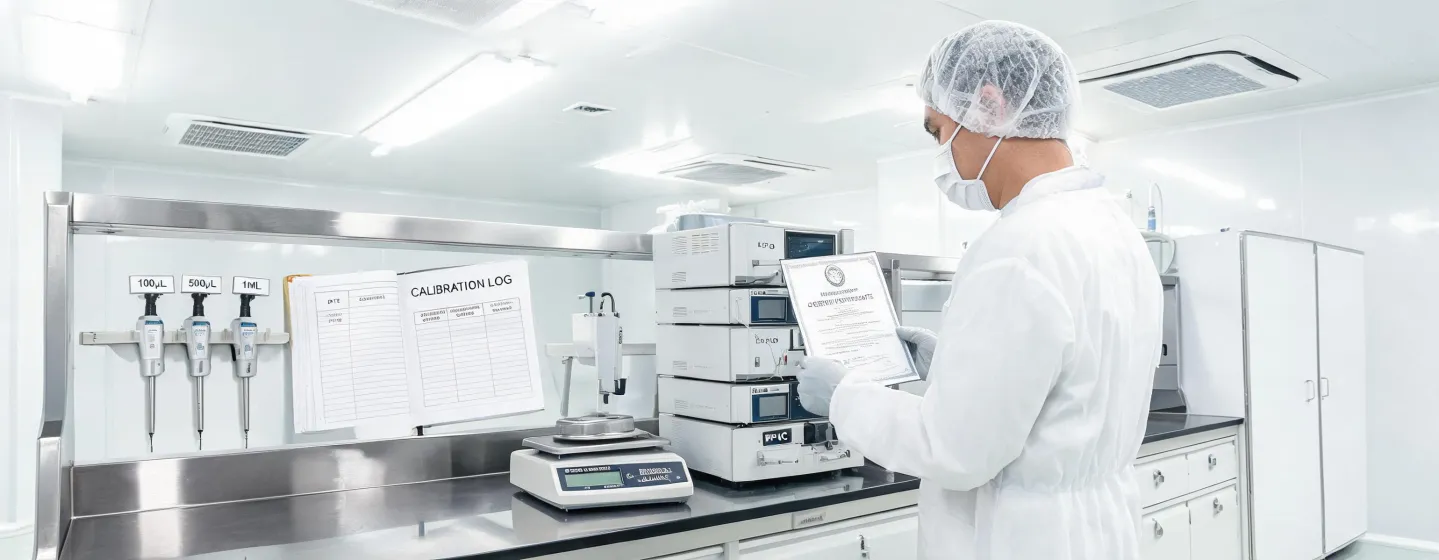
A useful service conversation starts with how the measurement will be defended. Include the current SOP, target accuracy, equipment location, and any GMP, ISO 17025, CLIA/CAP, IVDR, or local audit expectations that shape the record.